
Transferable Pedagogical Approaches (TPA)
A systematic methodology for building teaching expertise across all subjects
TDSO’s methodology centres on Transferable Pedagogical Approaches — a systematic framework for teacher professional development grounded in how teachers actually learn to teach effectively.
TPA is informed by Communicative Language Teaching (CLT), drawing on an important discovery: the sophisticated, practice-based methods developed for second-language teaching reveal universal principles about how all professional skills develop.
These principles transfer across subjects and contexts.
What Makes TPA Different
Grounded in specialist expertise and informed by CLT: TPA did not emerge from generic educational theory. It is informed by Communicative Language Teaching (CLT), where the learning process is completely visible and practice-based approaches are essential.
This specialist foundation provides methodological depth that generic training programmes lack.
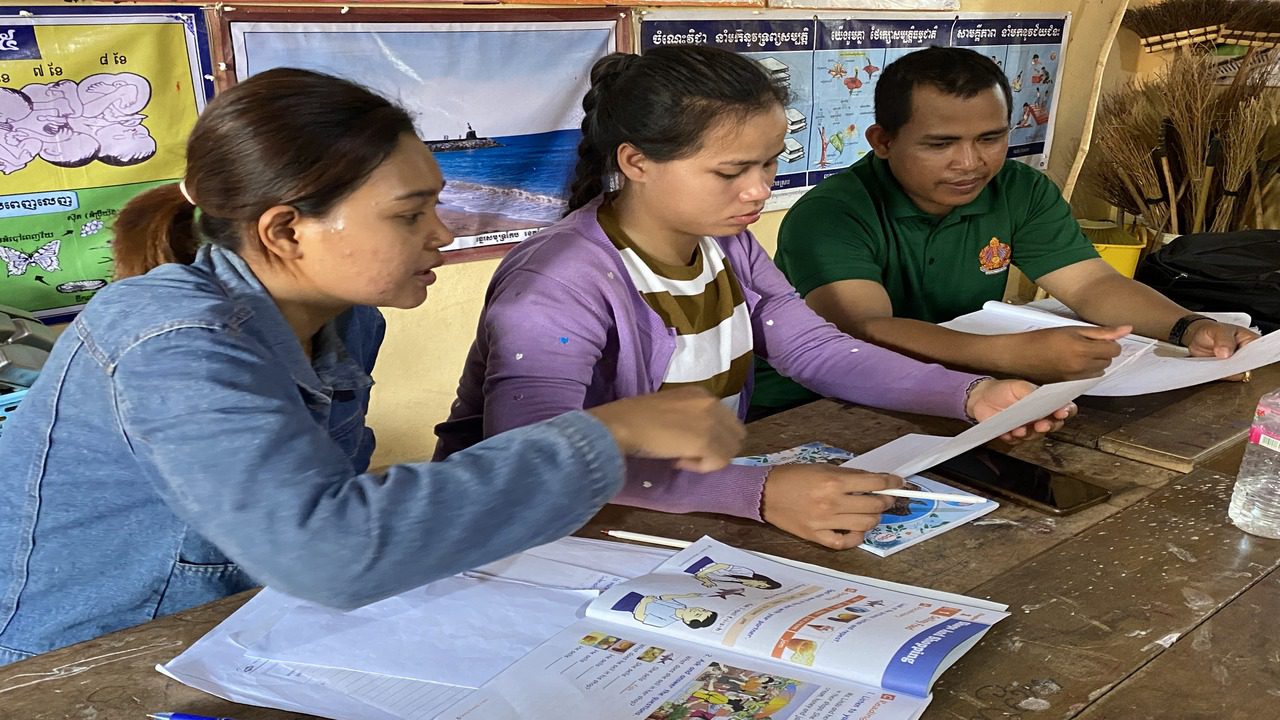
Practice-based, not lecture-based. Teachers learn to teach by teaching, not by listening to presentations about teaching. TPA builds professional learning around actual classroom practice, with structured opportunities to try new approaches, receive feedback, and refine skills over time.
Transferable across subjects. What started with English language teaching has proven effective for mathematics, science, IT skills, and vocational education. The professional development methodology transfers — whilst subject-specific content adapts to each discipline.
Sustained support, not one-off workshops. Real skill development requires time and accompaniment. TPA includes ongoing coaching, peer collaboration, and structured progression over 12-18 months — not isolated training events.
Six Core Principles
- Practice-based learning: Teachers develop expertise through doing, with immediate application in their classrooms.
- Peer collaboration: Teachers learn with and from colleagues through structured meetings and collaborative planning.
- Systematic progression: Skills build from foundation to mastery, with appropriate support at each stage.
- Subject-specific focus: Pedagogy adapts to the instructional demands of each subject whilst maintaining methodological consistency.
- Continuous coaching and support: Trained coaches provide classroom observation, feedback, and ongoing accompaniment throughout the learning journey.
- Evidence-based refinement: The framework evolves based on measured impact and continuous feedback.
Three-Phase Implementation Model
TPA operates through three interconnected phases:
Phase 1: Foundation (Intensive Initial Training) Teachers engage in intensive training introducing the TPA methodology, subject-specific core concepts, practice-based learning approaches, and peer collaboration structures. This provides solid grounding for ongoing development.
Phase 2: Supported Implementation (Continuous Professional Development) Teachers receive ongoing coaching and support as they implement new approaches in their classrooms. Regular peer collaboration sessions, classroom-based coaching, and continuous feedback enable sustained improvement.
Phase 3: Advanced Development and Leadership Experienced teachers develop advanced expertise and leadership capacity, eventually becoming coaches and mentors for other teachers. This builds sustainable, self-improving systems.
Three Dimensions of Application
TPA operates across three interconnected areas:
- Language Teaching: English language education remains TDSO’s largest programme and the foundation from which TPA emerged. Over 800 teachers currently participate.
- Content and Language Integration: Supporting teachers in subjects where English is the medium of instruction, addressing both content pedagogy and language demands.
- Cross-Subject Application: Applying TPA methodology to mathematics, science, IT skills, and emerging work in TVET contexts — demonstrating full transferability of the approach.
Measured Impact
TDSO’s 2025 evaluation of the English for Public School Teachers (EPST) programme demonstrated statistically significant improvements in student learning outcomes. Speaking skills showed substantial gains (Cohen’s d = 0.93), with written skills also improving meaningfully (Cohen’s d = 0.67).
Teachers reported fundamental shifts from traditional lecture-based methods to interactive, student-centred approaches. As one teacher noted: “Before we used traditional ways for teaching, students were not engaged in the learning process. Since TDSO provides such training, teachers have received new teaching methods.”
Explore the full TPA methodology, including its origins in CLT and the evidence for transferability